
How to Say “Happy Holidays” in Vietnamese: A Complete Guide for Travelers and Friends
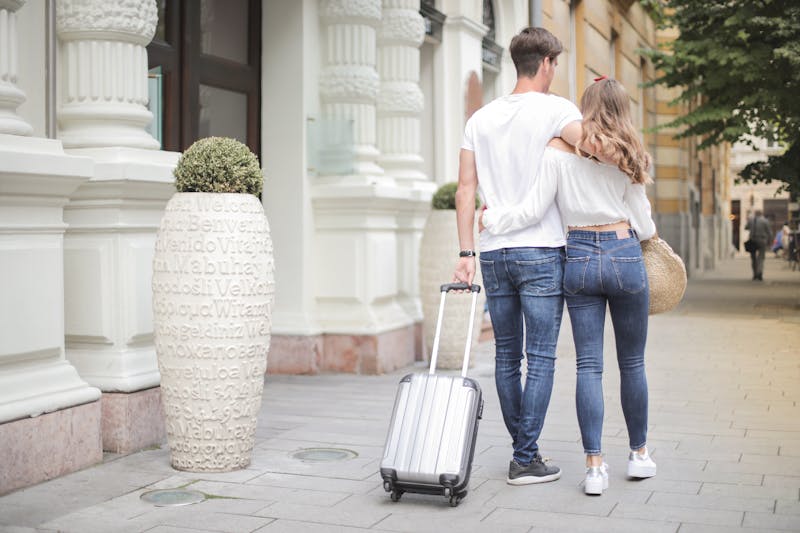
Hello everyone, I am your dedicated public holiday assistant. Recently, a little friend consulted me about how to say “Happy Holidays” in Vietnamese. Now I will summarize the relevant problems, hoping to help the little friends who want to know.
So you’re planning to wish someone a happy holiday in Vietnamese, huh? That’s awesome. Whether you’re traveling to Vietnam, have Vietnamese friends, or just want to spread some multicultural cheer, knowing how to say “Happy Holidays” in Vietnamese is a thoughtful gesture. But here’s the thing – Vietnamese isn’t a one-size-fits-all language when it comes to holiday greetings. The phrase you use depends on the specific holiday, the season, and even how formal you want to be. Let’s break it down so you don’t accidentally wish someone a Merry Christmas in the middle of Lunar New Year. Trust me, it happens more than you think.
First off, the most common all-purpose holiday greeting in Vietnamese is “Chúc mừng lễ hội” (pronounced “chook mung lay hoi”). That literally translates to “Happy festival” and covers pretty much any holiday vibe. But honestly, Vietnamese people don’t use that phrase as much as we say “Happy Holidays” in English. Instead, they’re more specific. For Christmas, you’d say “Giáng sinh vui vẻ” (pronounced “zang sin vwee vuh”). For New Year’s, it’s “Chúc mừng năm mới” (pronounced “chook mung nam mooy”). And for the biggest holiday of all – Tết Nguyên Đán (Vietnamese Lunar New Year) – the proper greeting is “Chúc mừng năm mới” as well, but usually with a warm smile and maybe a handshake or hug. You’ll also hear “An khang thịnh vượng” which means “peace and prosperity.” So if you’re visiting during Tết, that’s a golden phrase to know.
Now, let’s talk about pronunciation because Vietnamese is a tonal language, and getting the tones right matters. The word “chúc” has a rising tone, like you’re asking a question. “Mừng” has a falling tone, like you’re disappointed. And “năm mới” – “năm” is flat, “mới” has a falling-rising tone. Don’t stress too much though, locals appreciate the effort even if your tones are a little off. Just say it with a big smile and you’ll be fine.
Another useful phrase is “Nghỉ lễ vui vẻ” which means “Enjoy your holiday break.” This is perfect for saying to coworkers or neighbors when you’re off for a national holiday like Reunification Day (April 30) or Labor Day (May 1). And if you want to sound extra warm, add the person’s name or a pronoun like “cô” (aunt/woman), “chú” (uncle/man), or “bạn” (friend) at the beginning. For example: “Chúc bạn nghỉ lễ vui vẻ” – “Wishing you a happy holiday break.”
One important cultural note: In Vietnam, holidays are often family-centered. So when you wish someone a happy holiday, it’s common to also wish their family well. You can say “Chúc gia đình bạn luôn vui vẻ và hạnh phúc” – “Wish your family always happy and joyful.” That will earn you major bonus points. Also, during Tết, you might hear people say “Phát tài phát lộc” which means “wealth and prosperity” – it’s like a good luck charm. Don’t be afraid to throw that in if you’re feeling adventurous.
To wrap up this section, here’s a quick cheat sheet for you: For Christmas: “Giáng sinh vui vẻ.” For Western New Year: “Chúc mừng năm mới.” For Tết (Lunar New Year): Also “Chúc mừng năm mới” but you can add “An khang thịnh vượng.” For any generic holiday: “Chúc mừng lễ hội” or “Nghỉ lễ vui vẻ.” And always, always pair it with a friendly wave or a nod. Vietnamese people are warm and welcoming – a simple greeting can open doors.
Questions related to how to say happy holidays in Vietnamese
One common question is: “What’s the difference between ‘Chúc mừng’ and ‘Vui vẻ’?” Great question. “Chúc mừng” is more formal and is used for occasions like New Year or anniversaries. “Vui vẻ” is casual, like saying “have fun.” So for a party, you’d say “vui vẻ.” For a formal holiday greeting, you’d use “chúc mừng.” Another question is: “Do I need to bow or do anything special?” No, a simple smile and greeting is fine. However, if you’re greeting an elder, it’s respectful to slightly bow your head or use two hands when handing something. Also, people ask if there’s a Vietnamese equivalent of “Season’s Greetings.” Closest thing is “Lời chúc mùa lễ” which literally means “holiday season wishes.” But it’s not used that often. Stick to the specific holiday phrases and you’ll be golden.
Lastly, some folks wonder if they can text these greetings. Absolutely. In Vietnam, people often send short messages on Zalo (the local messaging app) or Facebook. Just type the phrase and maybe add a few emojis like 🎄🌸🎉. It’s totally normal. And if you’re writing a card, the same phrases work. Don’t worry about handwriting – just write it clearly.
So there you have it. Saying “Happy Holidays” in Vietnamese isn’t hard once you know which holiday you’re talking about and which tone to use. The effort shows respect and builds bridges. Plus, it’s a fun party trick. Next time you meet a Vietnamese friend, try saying “Chúc mừng năm mới” and watch their face light up. Trust me, it’s worth it.
public holiday calendar.COM Thank you for reading, I hope this article can help you fully understand how to say “Happy Holidays” in Vietnamese. If you have more questions about holiday greetings or Vietnamese culture, please contact us. Chúc bạn một ngày tốt lành!


