So You Want to Own a Holiday Home? Here’s Your Step-by-Step Guide
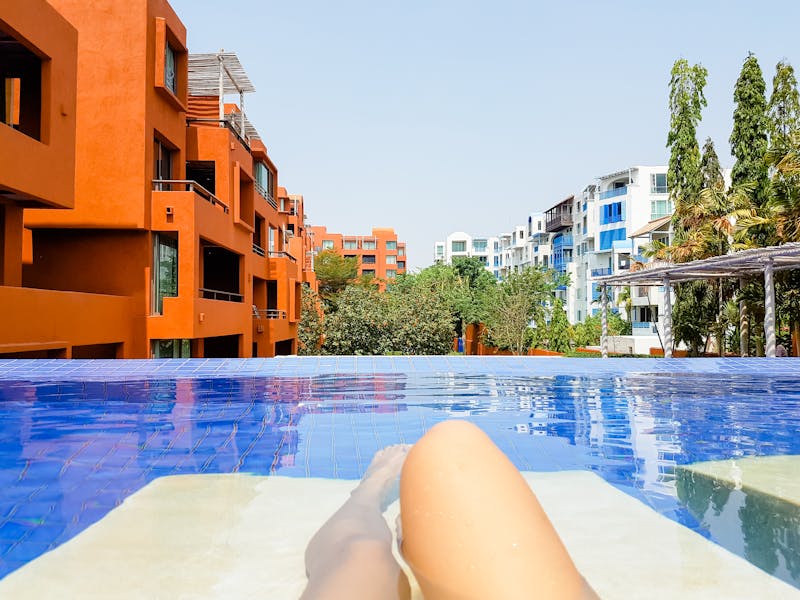
大家好,我是你们的专属公共假期助理。最近有小伙伴咨询我关于 how do I become a holiday home owner现在我就把相关问题总结一下,希望能够帮助到想要了解的小伙伴们。
Look, owning a holiday home sounds like a dream, right? Waking up to ocean views or mountain sunsets, having a place to escape to whenever you need a break. But becoming a holiday home owner isn’t just about picking a pretty spot and signing papers. It takes some serious planning, money smarts, and a little bit of patience. So let’s break it down step by step, so you can turn that dream into a reality without getting burned.
First off, you gotta figure out your budget. And I mean the real budget, not just the sticker price of the house. There’s the down payment (usually 20-30% for a second home), closing costs, property taxes, homeowner’s insurance, and HOA fees if you’re in a condo community. Plus, don’t forget maintenance—vacation homes get beat up faster because they’re often empty or rented out. A good rule of thumb is to set aside at least 1% of the property’s value each year for repairs and upkeep. If you’re planning to rent it out, you’ll also need to budget for property management fees (around 20-30% of rental income) and maybe a cleaning crew. So crunch those numbers hard before you fall in love with a place.
Next up, location is everything. Think about whether you want a place that’s easy to drive to from your primary home, or somewhere you’ll fly to. Also, check the local rental regulations. Some cities have strict rules about short-term rentals (like minimum stays or caps on nights per year). If you plan to Airbnb it, you don’t want to end up with fines or a lawsuit. Also, think about seasonality. A beach house in Florida might be hot in winter but dead in summer if it’s too hot. A ski cabin might make bank in winter but sit empty in summer unless there’s hiking or biking nearby. Do your research on the local tourism patterns.
Financing a holiday home is trickier than your primary mortgage. Lenders see it as higher risk, so you’ll need a higher credit score (usually 680+) and a solid debt-to-income ratio. Some people do a cash-out refi on their main home or take out a HELOC to fund the purchase. Or you could partner up with a friend or family member—just make sure you have a legal agreement about expenses, usage, and what happens if someone wants out. And don’t sleep on the tax perks: you can deduct mortgage interest and property taxes on a second home, but only if you use it less than 14 days a year personally (or up to 10% of rented days). Talk to a tax pro, seriously.
Finally, think about how you’ll use the place. Will it be a family retreat, an income property, or both? If you want to rent it out, you’ll need to furnish it well, market it, and handle bookings. Some owners hire a property manager, others do it themselves using platforms like VRBO or Airbnb. Just remember: if you rent it out, you’ll have to deal with guests, cleanliness, and potential damage. It’s not passive income—it’s a side hustle. If you just want a private getaway, then you can keep it simple, but you’ll still need to maintain it between visits.
Questions related to how do I become a holiday home owner
One big question people ask is: “Can I get a mortgage for a holiday home if I already have a primary mortgage?” Yes, you can, but lenders will look at your total debt. You’ll need to show you can handle both payments. Some go with a vacation home loan from a credit union or a portfolio lender who keeps the loan instead of selling it. Another common question: “Should I buy a place that needs work?” If you’re handy and can get a deal, sure, but factor in the time and money for renovations. Don’t forget permits and contractor availability in tourist areas—they’re often booked out. And “How do I know if it’s a good investment?” Look at the cap rate (net rental income divided by property price) and appreciation history of the area. But honestly, a holiday home is more of a lifestyle investment than a pure financial one. If you’re buying mainly for personal use, don’t stress too much about ROI—just make sure you can afford it.
To wrap it up: becoming a holiday home owner is totally doable, but you gotta do your homework. Set a realistic budget, pick a location that matches your goals, get your financing in order, and decide how you’ll use the place. It’s a big decision, but with careful planning, you could be sipping coffee on your own deck, watching the sun come up, in no time. And hey, if you’re still on the fence, start by renting a few different places to see what kind of location and setup you really love. That’s a low-risk way to figure out your dream before you buy it.
public holiday calendar.COM Thank you for reading, I hope this article can help you fully understand the how do I become a holiday home owner,如果您还有其他问题,请联系我们。