Kicking Off Your First Holiday Let: A Beginner’s Guide to Getting Started
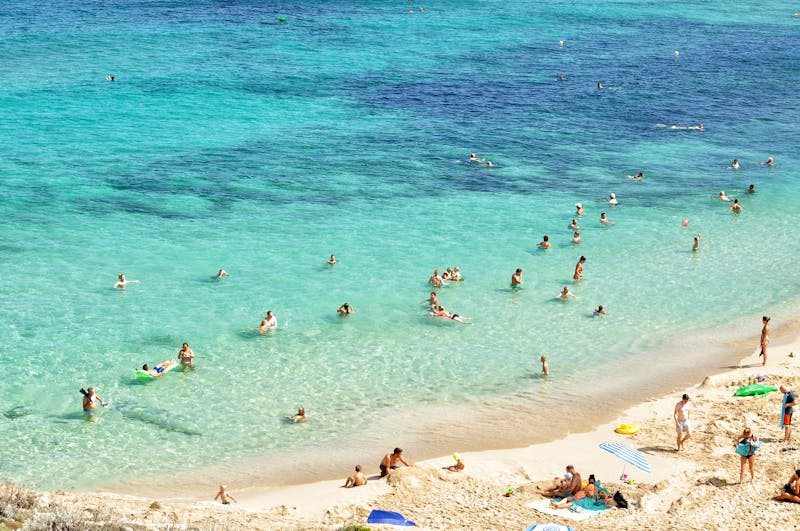
大家好,我是你们的专属公共假期助理。最近有小伙伴咨询我关于 how do i start a holiday let现在我就把相关问题总结一下,希望能够帮助到想要了解的小伙伴们。
So you’re thinking about starting a holiday let – maybe a cozy cabin, a beachfront condo, or a spare room that’s just sitting there. Smart move. Holiday lets (or vacation rentals) are a great way to earn some extra cash, especially around public holidays when travel spikes. But diving in without a plan can lead to headaches. I’ve seen folks jump in blind and end up with empty calendars, angry neighbors, or fines from the local council. Don’t worry though – I’ve got your back. Let’s walk through the essentials step by step, in plain English, so you can hit the ground running.
First up: do your homework. Before you slap a listing on Airbnb or Vrbo, figure out what kind of holiday let you want to run. Are you renting out your primary home while you’re away? Or maybe you’ve got a separate property that’s empty most of the year. Each setup has different rules. For example, if you’re renting out a room in your own house, you’re usually okay without a special permit – but check local zoning laws. Some cities flat-out ban short‑term rentals for non‑primary residences. In New York City, for instance, it’s super strict. So first thing: check your local regulations. Google “short‑term rental rules [your city]” or call the town hall. Trust me, you don’t want to get slapped with a fine on Memorial Day weekend.
Next, get your property guest‑ready. This is the fun part. You don’t need a five‑star resort, but you do need a clean, safe space. Think about what a tired traveler needs after a long drive: a comfortable bed, working Wi‑Fi, a clean bathroom, and basic kitchen stuff (plates, cups, a coffee maker). Also, stock up on extras like extra blankets, paper towels, and toilet paper. Sounds obvious, but plenty of new hosts forget the little things. And don’t neglect safety – have a smoke detector, a carbon monoxide detector if you have gas appliances, and a fire extinguisher. Add a first‑aid kit too. Guests appreciate that stuff.
Now, pricing. This is where newbies often mess up. Set your rate too high and nobody books. Too low and you’re working for peanuts. Look at similar properties in your area – check their nightly rates, especially around public holidays like July 4th or Christmas. You can also use tools like Airbnb’s smart pricing, but I recommend adjusting manually at first. Keep in mind that holiday weeks see massive demand, so you can raise rates 20‑40% easily. Just don’t get greedy – no one likes price gouging. Also, factor in extra costs like cleaning fees, utilities, and taxes. Yes, you gotta pay taxes on rental income. The IRS (or your state) will want a cut, so set aside 20‑30% of your earnings.
Listing your property is the next big step. You need killer photos – not blurry phone pics. Natural light, wide angles, and maybe a few staged shots (flowers on the coffee table, towels rolled nicely). Write a description that’s honest but sellin’. Highlight what makes your place unique: “walking distance to downtown,” “fenced yard for dogs,” “ten‑minute drive to the beach.” And be clear about rules – no parties, quiet hours after 10pm, and check‑in instructions. If you’re doing self‑check‑in (super common now), invest in a smart lock or a lockbox. Makes life easier for you and your guests.
Once you start getting bookings, you’ve got to manage the guest experience. Be responsive – answer questions within a few hours, even at night. Send a welcome message about a week before their stay with directions, parking info, and your contact number. Stock the fridge with a few essentials (water, milk, maybe a snack). Little touches go a long way – a handwritten note or a list of local restaurants can lead to glowing reviews. And reviews are gold. They bring more bookings, especially around holiday seasons when competition is fierce.
One thing many beginners overlook: insurance. Your standard homeowner’s policy won’t cover short‑term rentals. You need a specific policy or a rider for vacation rentals. Companies like Proper Insurance or rental‑specific coverage from big insurers (State Farm, Allstate) can help. Also, consider requiring a security deposit, or use Airbnb’s Host Guarantee. It’s not perfect, but it covers some damages. And always have a backup plan for emergencies – a plumber on speed dial, a spare key hidden outside, a neighbor who can help if you’re out of town.
Finally, don’t forget about public holidays. These are your prime moneymakers. Plan your calendar around them – raise prices, enforce minimum night stays (e.g., 2‑3 nights for a long weekend), and block out dates early. But also be mindful of local holiday rules. Some cities have quiet ordinances on New Year’s Eve or restrict check‑ins on Thanksgiving. Stay on top of that. And if you’re hosting during a holiday, leave a little festive touch – a pumpkin for Halloween, a string of lights for Christmas. Guests remember that stuff and share it on social media, which is free advertising.
Questions related to how do i start a holiday let
Do I need a license to start a holiday let?
It depends on where you live. Many cities require a short‑term rental permit, especially if you’re not living on the property. Some places even cap the number of nights you can rent per year. Check with your local planning department. For example, in Los Angeles, you need a Home‑Sharing Ordinance registration. In London, you’re limited to 90 nights unless you have planning permission. So don’t skip this step.
How much money do I need to start?
You can start small. If you’re just listing a spare room, you might only need a few hundred dollars for basics (new linens, a smart lock, cleaning supplies). A whole property could need several thousand for furnishings, upgrades, and initial marketing. But you can also finance with a HELOC or a small business loan. Just make sure your expected income covers your mortgage, utilities, and maintenance.
How do I handle taxes on a holiday let?
You report rental income on your annual tax return. The IRS considers it taxable income. You can deduct expenses like cleaning, repairs, utilities, and property management fees. If you rent out a property for fewer than 15 days a year, you don’t have to pay tax on that income – but that’s rare for a holiday let. Keep good records and maybe consult a CPA who knows rental property rules.
What’s the best platform to list on?
Airbnb and Vrbo are the big ones. Airbnb is great for shorter stays and unique spaces. Vrbo leans toward whole‑house rentals for families. Also consider Booking.com or local sites. Don’t put all your eggs in one basket – cross‑list on two or three platforms, but use a channel manager to avoid double bookings.
How do I make my holiday let stand out?
Think about what travelers want during holidays. For a Fourth of July rental, maybe have a grill and a patio. For a ski holiday, a mudroom and boot dryer. For Christmas, decorate but keep it tasteful. Also, offer local experiences – a guidebook with your favorite spots, discount coupons for nearby attractions, or a partnership with a kayak rental place. Small touches build big loyalty.
So there you have it – a no‑nonsense guide to starting a holiday let. It takes work up front, but once you get that first booking and a great review, you’ll be hooked. Just remember to stay on top of local rules, treat your guests well, and plan around the big public holidays. Those are your jackpot weekends. And if anything goes wrong, you’ve got the Holiday Little Assistant rooting for you.
public holiday calendar.COM Thank you for reading, I hope this article can help you fully understand the how do i start a holiday let,如果您还有其他问题,请联系我们。