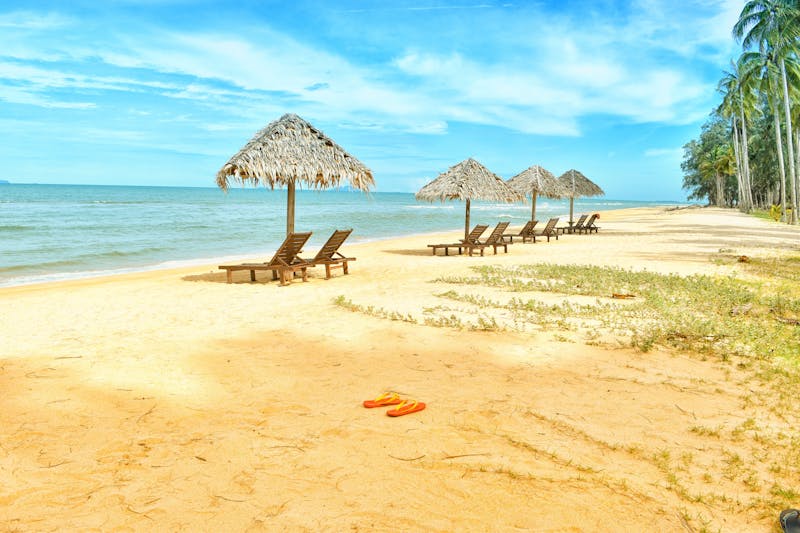

Hello everyone, I am your dedicated public holiday assistant. Recently, a little friend consulted me about the title of how to remove tan after beach holiday. Now I will summarize the relevant problems, hoping to help the little friends who want to know.
So you just got back from an awesome beach vacation—sand between your toes, salt in your hair, and a killer tan that’s already starting to look a little too dark or uneven. Maybe you’re loving the bronze glow but worried it’ll turn into a patchy, peeling mess. Or maybe you’re one of those folks who just want that sun-kissed look to fade gradually without leaving weird lines. Trust me, I’ve been there. After a long beach holiday, your skin can go from “golden goddess” to “burnt toast” real quick. The good news? You don’t have to just wait it out. There are plenty of ways to remove that post-beach tan safely and effectively, using stuff you probably already have in your kitchen. Let’s break it down step by step, so you can keep your skin happy and healthy while saying goodbye to unwanted tan lines.
First off, let’s get one thing straight: “removing a tan” doesn’t mean bleaching your skin or using harsh chemicals. What we’re really doing is helping your body’s natural exfoliation process along, and soothing any leftover sun damage. The sun’s UV rays stimulate melanin production, which is what gives you that color. The color isn’t permanent—it naturally fades as your skin cells shed. But if you want to speed things up, you’ve got options. The key is to be gentle. Your skin’s been through a lot—sun, salt, sand, maybe even some wind. Harsh scrubs or lemon juice can do more harm than good. So let’s talk about what actually works.
Questions related to how to remove tan after beach holiday
What are the best natural remedies for sun tan removal?
Oh, there are so many! Aloe vera is the MVP—it’s cooling, healing, and helps lighten tan over time. Just slice a fresh leaf, scoop out the gel, and apply it like a mask. Leave it on for 20 minutes, then rinse. Another favorite is yogurt mixed with a pinch of turmeric. The lactic acid in yogurt gently exfoliates, while turmeric slows melanin production. Sounds fancy, but you literally mix a tablespoon of yogurt with a pinch of turmeric and slap it on your face or body. Leave it till it dries, then wash off with warm water. Also, potato slices or potato juice are old-school tricks—they contain catecholase, an enzyme that can lighten skin. Rub a potato slice on your tan lines or apply the juice with a cotton ball. And don’t forget cucumber juice—super soothing and hydrating. These aren’t overnight miracles, but use them daily for a week and you’ll see a difference.
Can I use store-bought products to remove tan?
Absolutely. Look for gentle exfoliating scrubs with natural ingredients like oatmeal, sugar, or coffee grounds. But don’t go overboard—scrubbing too hard or too often will irritate your skin. Also, products with vitamin C, licorice extract, and niacinamide can help fade tan gradually. Sunscreen is non-negotiable. I know it sounds weird to put on sunscreen when you’re trying to remove tan, but protecting your skin from further UV damage actually helps the tan fade evenly. Without sunscreen, the sun just keeps pumping more melanin into your skin, making it darker. So slap on that SPF 30 or higher every day, even when you’re just sitting by the window. A good post-sun lotion with aloe and vitamin E is also your best friend right now. They got some at the drugstore for cheap—you don’t need fancy brands.
How long does it take for a tan to fade naturally?
Usually, a tan from a beach holiday starts fading after about 7 to 10 days. But full removal can take anywhere from two weeks to a month, depending on how deep the tan is and your skin’s natural renewal cycle. Factors like how often you exfoliate, your skin type, and how much sun you got all play a role. If you’re diligent with natural remedies and gentle exfoliation, you can speed it up to maybe 10 days. But if you just sit back and let it be, it’ll shed on its own when your skin does its thing. Remember, tans are your skin’s way of saying “I’ve had enough UV,” so be patient. If you’re in a hurry (like you have a wedding or event), you can try a gentle AHA or BHA serum, but test it on a small patch first.
What should I avoid doing when trying to remove tan?
Oh honey, please don’t use lemon juice straight—it’s too acidic and can cause burns, especially if you then go out in the sun (hello, phytophotodermatitis!). Also, steer clear of harsh physical scrubs like walnut shells or apricot kernels; they create micro-tears in the skin. No toothpaste, no baking soda paste—these are too alkaline and will mess up your skin’s pH. And for goodness’ sake, no trying to peel off dead skin with your fingers. Let the skin slough off naturally. Also, avoid hot showers—they dry out your skin and make peeling worse. Lukewarm water is your friend. Lastly, don’t skip moisturizer. A hydrated skin heals faster and looks better. Use a fragrance-free body lotion or coconut oil (if you’re not acne-prone). Dry skin flakes away unevenly, making tan lines look more obvious.
To sum it all up, removing tan after a beach holiday doesn’t have to be a big drama. It’s about being kind to your skin, using gentle natural ingredients, staying consistent with protection, and letting time do its thing. The best approach? A combo of aloe vera, yogurt masks, mild exfoliation twice a week, and daily sunscreen. And if you are reading this before your next beach trip—prevention is everything! Start wearing a good SPF and reapply every two hours, and you’ll have less tan to worry about later. But even if you forgot, no worries—you’ve got this. Your skin is resilient, and with a little TLC, you’ll be back to your normal shade in no time.
public holiday calendar.COM Thank you for reading, I hope this article can help you fully understand the how to remove tan after beach holiday, if you have more questions, please contact us.