
So, How Much Does a Working Holiday Visa Actually Cost? Let’s Break It Down
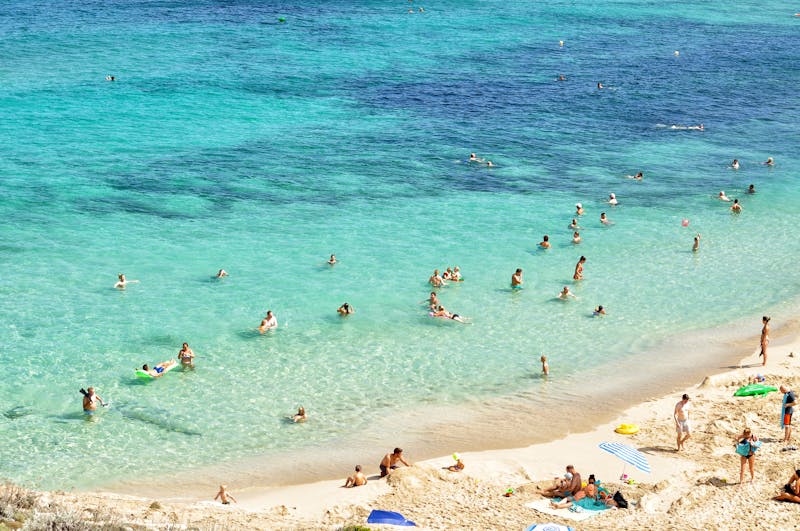
Hello everyone, I am your dedicated public holiday assistant. Recently, a little friend asked me about the cost of a working holiday visa. It’s a super common question, especially if you’re dreaming of backpacking through Australia, New Zealand, or Canada while picking up some gigs along the way. So I gathered all the info and put it together right here. Let’s dive in and figure out what you’ll actually be shelling out.
First off, there’s no single price tag for a working holiday visa. The cost really depends on which country you’re applying to. Each country sets its own fee, and it can vary based on your nationality, processing speed, and whether you’re doing it from scratch or renewing. For example, the Australian working holiday visa (subclass 417) currently costs around $510 AUD. That’s for the standard application fee. But wait, there’s more. You’ll also need to pay for a health check (around $300 AUD), police certificates (maybe $50-$100), and biometrics if required. Plus, you’ll have to show you have enough funds to support yourself – usually around $5,000 AUD. That’s not a visa cost, but it’s money you need to have ready. So total out-of-pocket for Australia? Expect to drop at least $1,000 AUD before you even land.
New Zealand’s Working Holiday Visa is a bit lighter on the wallet. The application fee is about NZD $420 for most applicants. You’ll also need to prove you have enough funds – typically NZD $4,200 for living expenses plus a return ticket. And don’t forget travel insurance, which can be $200-$400 for a year. So overall, you’re looking at around NZD $1,000 to $1,500 upfront. Not too shabby if you ask me. Canada’s International Experience Canada (IEC) program – the one Americans and other eligible folks use – charges CAD $165 for the participation fee, plus CAD $100 for the open work permit holder fee. That’s only CAD $265, but you’ll still need to show funds (around CAD $2,500) and pay for a medical exam if you’re from certain countries. So total cash-on-hand could be $3,000+ CAD. The UK’s Youth Mobility Scheme visa costs £298 to apply, plus you have to pay the Immigration Health Surcharge which is about £470 per year. For a two-year visa, that’s £940 just for the NHS surcharge. Plus, you need to prove you have at least £2,530 in savings. That adds up to well over £1,500.
Here’s the thing: many countries also require you to buy health insurance as part of the visa conditions, and that can cost anywhere from $100 to $600 a year. And don’t forget visa extension fees – if you want to stay longer, you’ll pay another fee. Bottom line? I’d ballpark a working holiday visa at anywhere from $300 to $1,500 just for the government fees, but the real cost including health checks, insurance, and proof of funds is more like $2,000 to $5,000 depending on the country. So if you’re planning a working holiday, start saving now.
Questions Related to How Much Is a Working Holiday Visa
Q: Do I need to pay for a working holiday visa if I’m applying online?
A: Yes, the application fee is non-refundable and must be paid online, usually by credit card or debit card. Some countries also accept PayPal. The fee is charged in local currency, so check the exchange rate.
Q: Are there any hidden costs besides the visa fee?
A: Absolutely. Common hidden costs include medical exams, police checks, translation of documents, courier fees for passport delivery, and mandatory travel or health insurance. Some countries also require a biometric appointment which might have a small fee.
Q: Can I get a refund if my visa is denied?
A: Nope. In most cases, the visa application fee is non-refundable, even if your application gets rejected. So make sure you double-check your eligibility and documents before paying.
Q: Which country has the cheapest working holiday visa?
A: Canada’s IEC program is one of the cheapest in terms of visa fees (CAD $265 for both fees combined). However, you still need to show funds and cover insurance. South Korea and Japan also offer working holiday visas with lower fees (around $50-$100), but the process can be more competitive.
Q: How can I save money on a working holiday visa application?
A: Apply early to avoid last-minute expedited service fees. Use a reliable travel insurance that meets the visa requirements without overpaying. And look for free or low-cost document translation services if needed. Also, some countries allow you to include your proof of funds as a bank statement without needing a notary – that saves a few bucks.
Thanks for reading, folks! I hope this article helped you get a clearer picture of what a working holiday visa really costs. Remember, the fee is just one piece of the puzzle – you’ve also got to budget for health checks, insurance, and proving you won’t go broke right away. If you still have more questions about working holiday visas or other travel permits, feel free to reach out to us at public holiday calendar.COM. We’ve got your back. Happy travels!


