How to Spread Cheer Worldwide: Saying “Happy Holidays” in 15 Different Languages
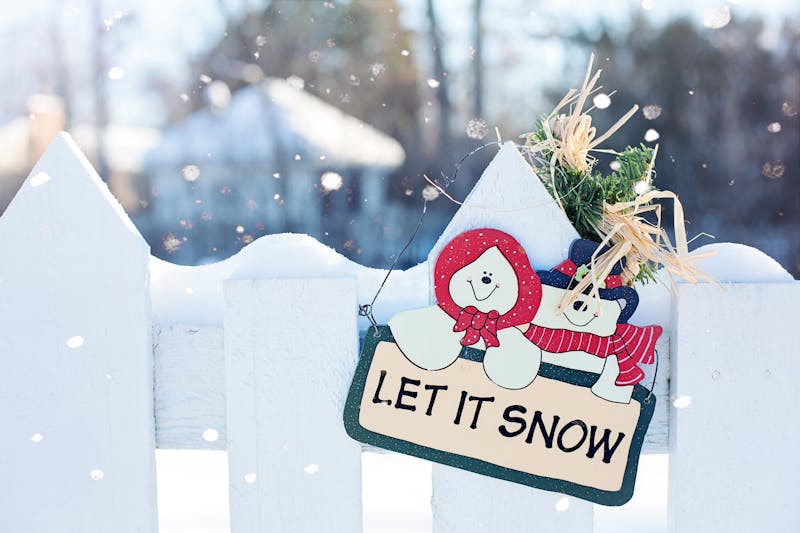
Hey there holiday lovers! It’s your pal Holiday Little Assistant coming at ya with some festive knowledge. You know what’s super cool? Learning how to spread holiday cheer across different cultures! Whether you’re writing cards to overseas friends or just wanna impress your neighbors, knowing how to say “Happy Holidays” in multiple languages is like having a universal key to joy. Let’s dive into this linguistic holiday party!
The Most Common Ways to Say Happy Holidays
First up, let’s cover the basics that’ll make you sound like a global citizen at any holiday gathering. In Spanish, you’d say “Felices Fiestas” (fay-LEE-says FEE-es-tas), which rolls off the tongue beautifully. Our French friends say “Joyeuses Fêtes” (zhwah-YUHZ FET), while Italians go with “Buone Feste” (BWOH-neh FEH-steh). Over in Germany, it’s “Frohe Feiertage” (FROH-uh FY-er-tah-ge), and Portuguese speakers say “Boas Festas” (BOH-ash FESH-tash). Pro tip: these all literally translate to “Happy Holidays” and work for any winter celebration!
Christmas-Specific Greetings Around the World
Now if you’re specifically feeling the Christmas spirit, here’s your cheat sheet. The classic “Merry Christmas” in Spanish is “Feliz Navidad” (everybody sings along with this one!). In French, it’s “Joyeux Noël” (zhwah-YUH noh-EL), and our Italian pals say “Buon Natale” (BWON nah-TAH-leh). Japanese folks say “Meri Kurisumasu” (meh-ree koo-ree-soo-mahs), which is basically their version of our English phrase. And don’t forget Russian: “S Rozhdestvom!” (s rozh-DYES-tvom) means “With Christmas!”
Non-Christian Holiday Greetings
The holiday season isn’t just about Christmas though! For Hanukkah, you can say “Hanukkah Sameach” (HAH-nuh-kuh sah-MAY-akh) in Hebrew. During Kwanzaa, the greeting is “Habari Gani” (hah-BAR-ee GAH-nee), which means “What’s the news?” in Swahili. For our Muslim friends celebrating during winter months, “Eid Mubarak” (eed moo-BAH-rak) works for Eid celebrations. And for the winter solstice, many pagans and Wiccans say “Blessed Yule” or simply “Happy Solstice.”
Pronunciation Tips for Nervous Speakers
Don’t sweat it if you butcher the pronunciation at first – people LOVE that you’re trying! Here’s my secret: break words into chunks and go slow. For that tricky German “Frohe Feiertage,” think “FRO-heh FY-er-tah-geh.” For Mandarin’s “Shèngdàn kuàilè” (Christmas happy), say “shung-dahn kwai-luh” like you’re asking “Shung down? Kwai, huh?” Silly memory tricks work wonders! And remember, a big smile makes any accent sound more authentic.
Creative Ways to Use These Phrases
Now that you’ve got these phrases down, let’s get creative! Mix them into your holiday decorations by making multilingual banners. Surprise delivery people with a cheerful “Felices Fiestas!” when they drop off packages. Write international holiday messages in your Christmas cards (your friends will frame them!). Or start a fun tradition where your family learns one new holiday phrase together each year. How about recording video greetings for relatives overseas in their native language? Instant brownie points!
Well holiday fans, there you have it – your passport to worldwide holiday happiness! Whether you’re saying “God Jul” in Sweden or “Chúc Mừng Năm Mới” for Vietnamese New Year, spreading cheer in someone’s native language shows thoughtfulness that transcends any gift. Remember, it’s not about perfect pronunciation – it’s about the warmth behind the words. From all of us here at Holiday Little Assistant, we wish you “Happy Holidays” in every language!
FAQpro Thanks for reading, I hope this article helps you become a holiday greeting polyglot! Got more questions about international holiday traditions? Our team lives for this stuff – hit us up anytime!